
In today’s fast-moving digital world, visual data has become just as important as text and sound. From online meetings and industrial inspections to smart manufacturing and medical diagnostics, cameras are everywhere. Among all camera types, the USB Camera stands out for its simplicity, flexibility, and cost efficiency. But despite its popularity, many buyers still struggle with choosing the right model, understanding performance differences, and ensuring stable long-term use.
This in-depth guide is designed to answer those concerns clearly and practically. Whether you are a system integrator, product manager, engineer, or business owner, this article will help you understand how USB cameras work, where they perform best, how to select the right specifications, and why working with a reliable manufacturer like Shenzhen EDGES Intelligence Co,. Ltd. can make a real difference.
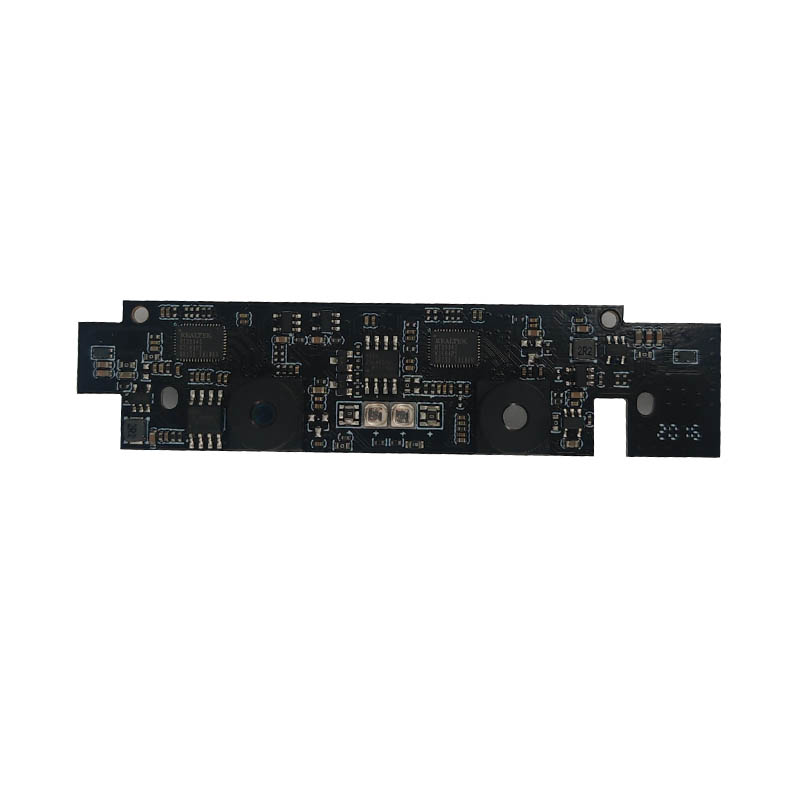
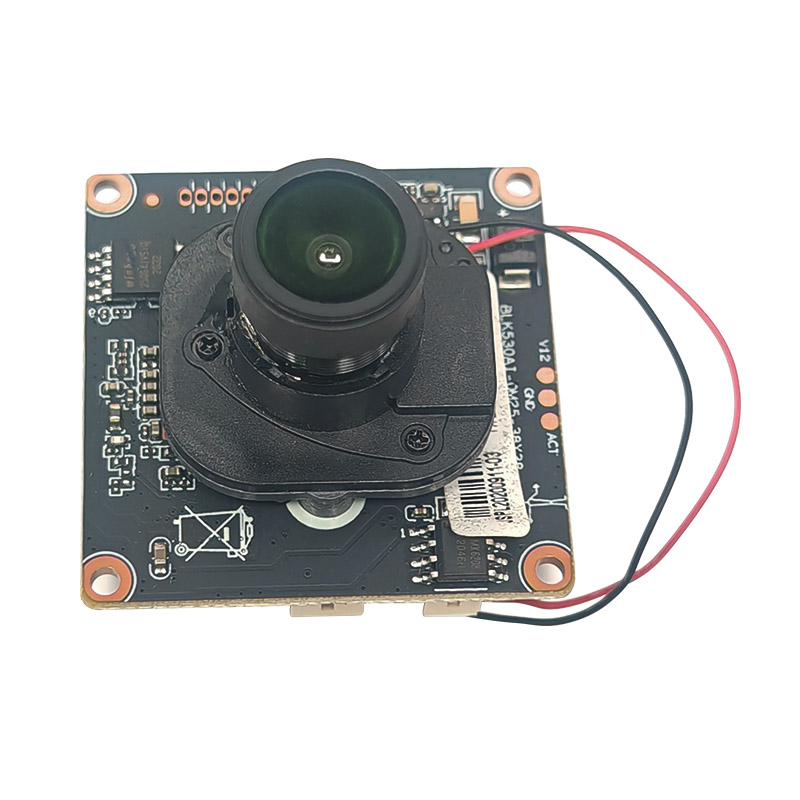
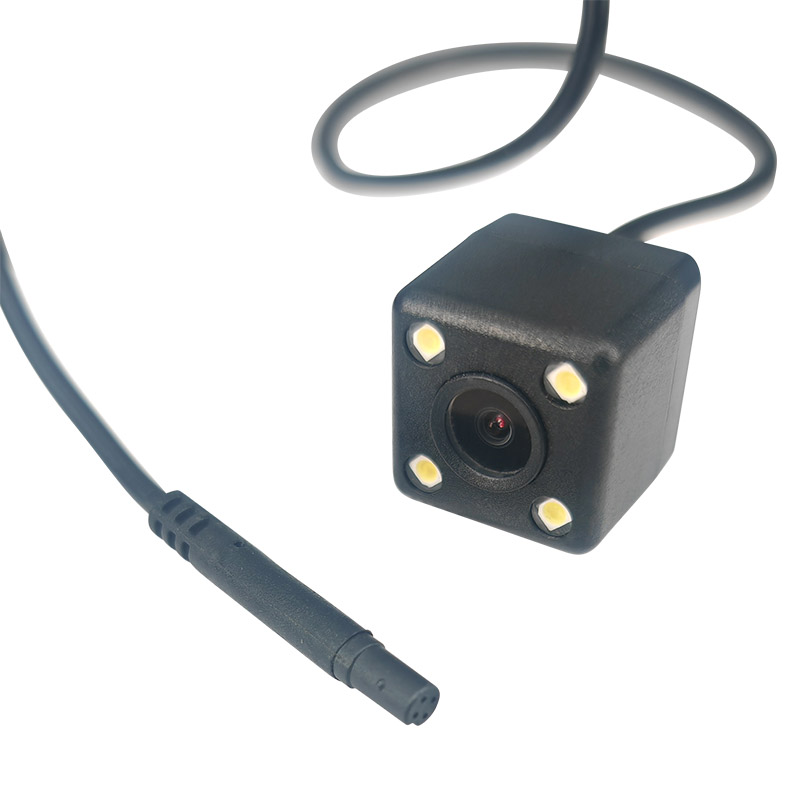
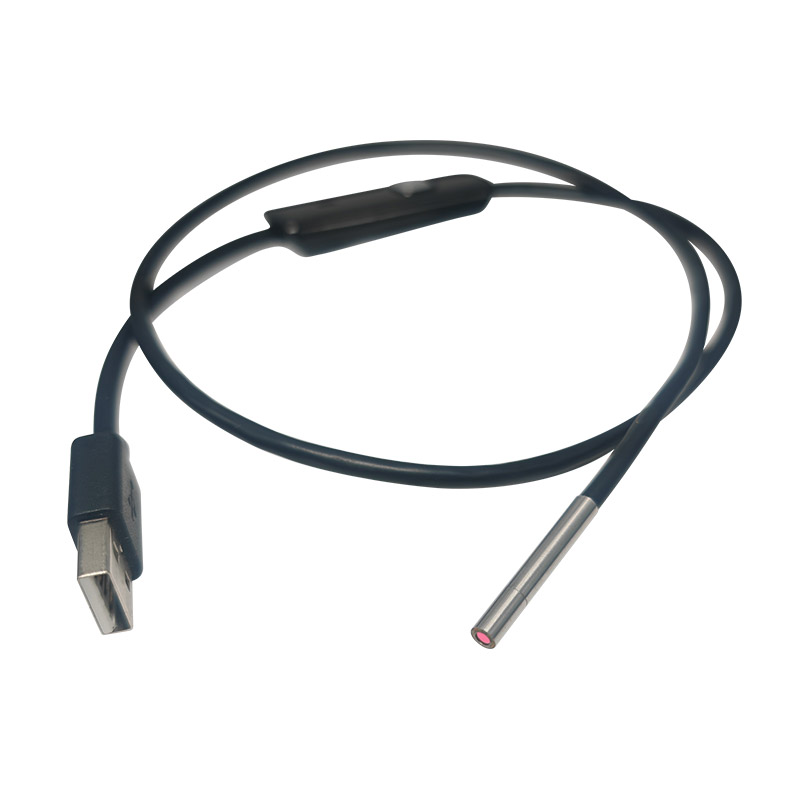
A USB camera is a digital imaging device that transmits video and image data through a Universal Serial Bus interface. Unlike traditional analog cameras, USB cameras send digital signals directly to a computer, embedded system, or industrial controller, enabling faster processing and easier integration.
The appeal of USB cameras lies in their plug-and-play capability. Most modern operating systems automatically recognize them without additional drivers, significantly reducing deployment time. This makes USB cameras ideal for both consumer-level and professional applications.
Companies such as Shenzhen EDGES Intelligence Co,. Ltd. specialize in designing USB cameras that balance performance, durability, and customization, meeting the evolving needs of global customers.
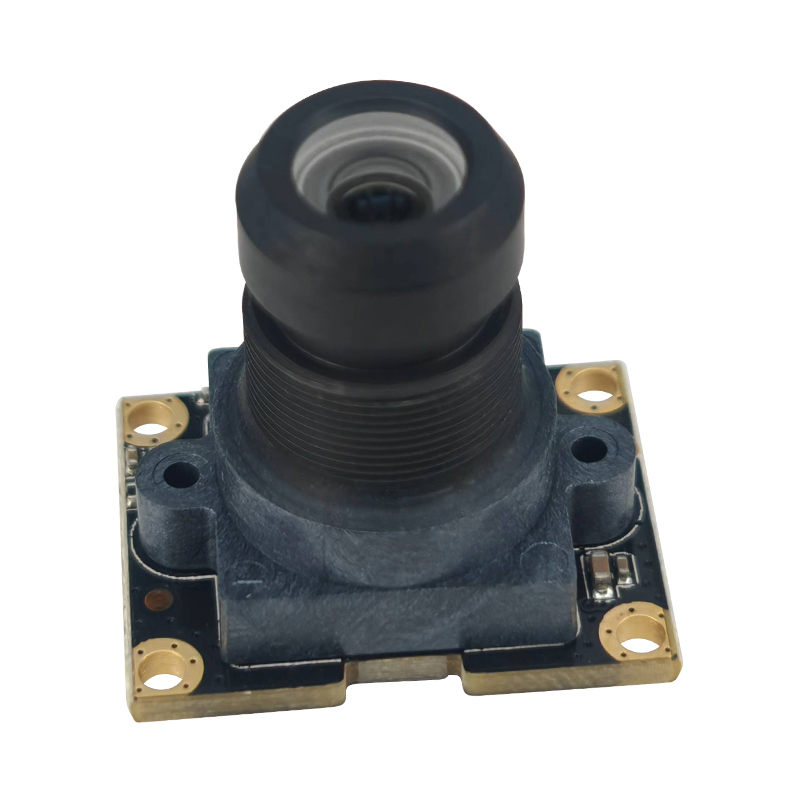
At a basic level, a USB camera captures light through a lens and converts it into digital data using an image sensor. This data is then processed by an internal controller and transmitted via a USB cable to the host device.
Once connected, the host device handles decoding, display, storage, or further image analysis. This architecture shifts much of the processing workload to the host, which helps keep USB cameras compact and affordable.
High-quality integration of these components is what separates an average camera from a reliable one. This is where experienced manufacturers like Shenzhen EDGES Intelligence Co,. Ltd. bring long-term value.
| Type | Description | Typical Use |
|---|---|---|
| Standard USB Camera | General-purpose camera with fixed focus | Video calls, basic monitoring |
| Industrial USB Camera | Rugged design, high stability | Machine vision, automation |
| High-Resolution USB Camera | Supports detailed image capture | Medical, inspection systems |
| Custom USB Camera | Tailored specs and housing | OEM and embedded projects |
Despite their simplicity, customers often encounter issues when deploying USB cameras. Below are the most common challenges and how they can be addressed.
Working with a manufacturer like Shenzhen EDGES Intelligence Co,. Ltd. helps minimize these risks through strict quality control and engineering support.
| Parameter | What It Means | Why It Matters |
|---|---|---|
| Resolution | Number of pixels in the image | Determines image detail |
| Frame Rate | Images captured per second | Impacts smoothness of video |
| Sensor Size | Physical size of the image sensor | Affects light sensitivity |
| Interface Version | USB 2.0 or USB 3.0 | Controls data transfer speed |
Compared to interfaces like Ethernet or HDMI, USB cameras offer unmatched ease of use. They require fewer cables, less configuration, and lower overall cost.
While Ethernet cameras excel in long-distance transmission, USB cameras are often preferred for desktop systems, portable devices, and embedded solutions due to their simplicity.
With customized designs, Shenzhen EDGES Intelligence Co,. Ltd. supports diverse application needs across these industries.
Choosing the right USB camera starts with understanding your application requirements. Consider resolution, lighting conditions, mounting constraints, and system compatibility.
It is also important to evaluate supplier capabilities. Long-term support, customization options, and consistent quality are just as important as technical specifications.
A USB camera is not just a component; it is part of a complete system. Experienced manufacturers bring value through design optimization, testing, and after-sales support.
Shenzhen EDGES Intelligence Co,. Ltd. has built its reputation by delivering reliable USB camera solutions tailored to real-world applications, helping customers reduce risk and accelerate deployment.
Q: Are USB cameras compatible with all operating systems?
A: Most modern USB cameras are compatible with major operating systems, but confirmation is recommended for specialized systems.
Q: Can USB cameras be customized?
A: Yes, professional manufacturers like Shenzhen EDGES Intelligence Co,. Ltd. offer customization in resolution, housing, and interface.
Q: Is USB 3.0 always better than USB 2.0?
A: USB 3.0 supports higher data rates, but USB 2.0 may be sufficient for lower-resolution applications.
Q: How long can a USB camera operate continuously?
A: Industrial-grade USB cameras are designed for long-term continuous operation under stable conditions.
If you are looking for a reliable USB camera solution tailored to your application, Shenzhen EDGES Intelligence Co,. Ltd. is ready to support your project with professional expertise and proven products. Contact us today to discuss your requirements and discover how the right USB camera can elevate your system performance.